









Introduction
Autonomous vehicles have officially transitioned from science fiction to reality, with major manufacturers and tech companies deploying self-driving cars on public roads. This comprehensive guide examines the current state of autonomous vehicle technology, its safety record, regulatory challenges, and how it’s poised to transform our daily commutes.

A. The Current State of Autonomous Driving
1. Deployment Statistics
- 60,000 self-driving cars operating globally
- 47 U.S. cities with active autonomous vehicle programs
- 5 million miles logged by Waymo’s fleet alone
2. Technology Levels Explained
- Level 2: Driver assistance (Tesla Autopilot)
- Level 3: Conditional automation (Mercedes Drive Pilot)
- Level 4: High automation (Waymo, Cruise)
- Level 5: Full automation (Not yet achieved)
3. Key Players in the Industry
- Waymo (Alphabet)
- Cruise (GM)
- Tesla
- Baidu Apollo
- Mobileye (Intel)
B. How Autonomous Vehicles Work
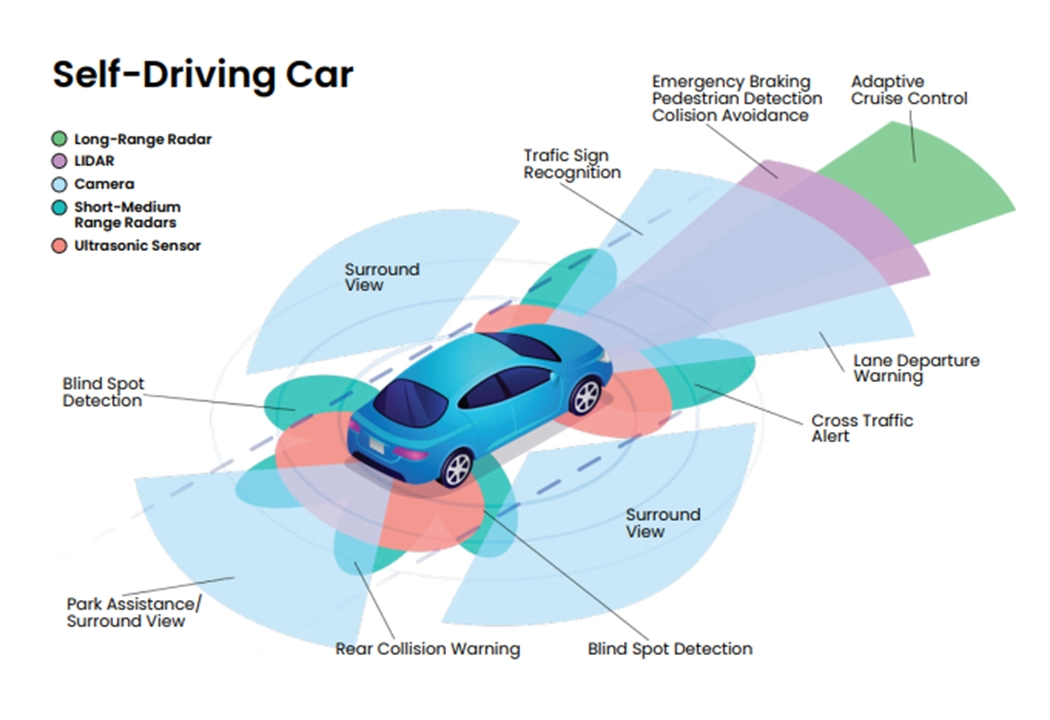
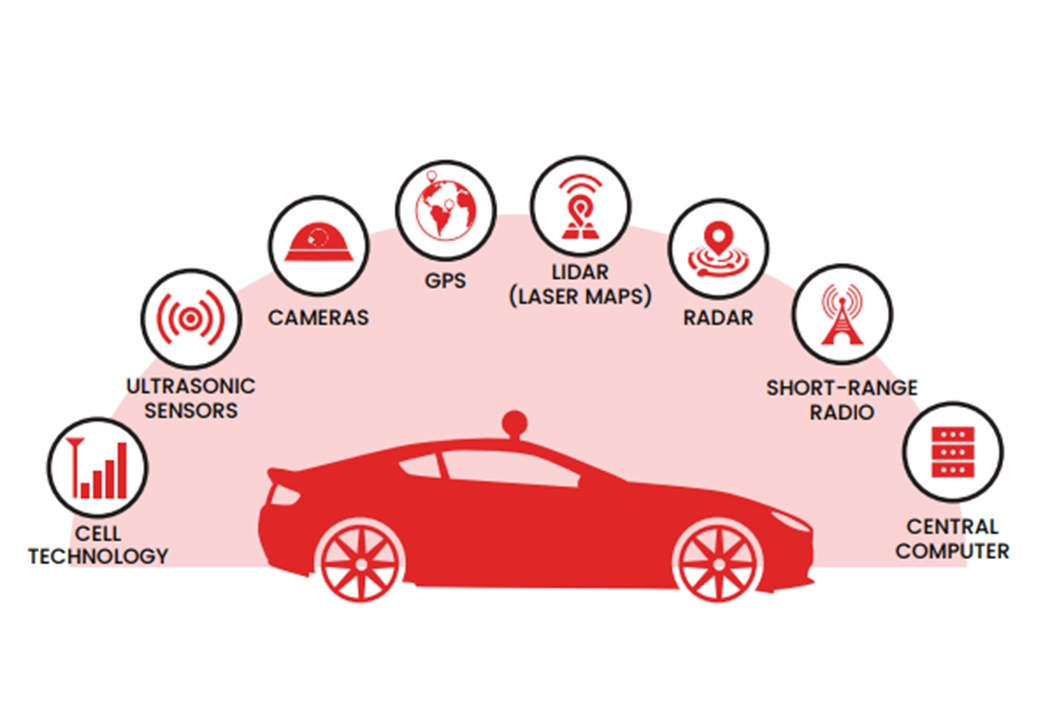
1. Sensor Systems
- Lidar: 360° environmental mapping
- Radar: Object detection in all conditions
- Cameras: Traffic light and sign recognition
- Ultrasonic: Close-range obstacle detection
2. AI Processing
- Neural networks processing 5,000 data points per second
- Machine learning from billions of real-world miles
- Predictive behavior modeling
3. Safety Features
- Redundant braking systems
- Emergency collision avoidance
- Cyberattack protection
C. Real-World Performance Data
| Metric | Human Drivers | Autonomous Vehicles |
|---|---|---|
| Reaction Time | 1.5 seconds | 0.5 seconds |
| Accident Rate | 4.1 per million miles | 0.8 per million miles |
| Traffic Violations | 1 per 100 miles | 1 per 10,000 miles |
| Fuel Efficiency | Baseline | 15-20% improvement |
D. Regulatory Landscape
1. U.S. Regulations
- NHTSA’s 2023 updated guidelines
- State-by-state testing permissions
- Data sharing requirements
2. Global Approaches
- China’s aggressive adoption timeline
- EU’s cautious regulatory framework
- Middle East’s testbed initiatives
3. Insurance Implications
- Liability shift to manufacturers
- New risk assessment models
- Real-time policy adjustments
E. Challenges and Limitations
1. Technical Hurdles
- Inclement weather navigation
- Construction zone interpretation
- Unpredictable pedestrian behavior
2. Public Acceptance
- 58% of Americans still wary of autonomy
- Trust-building through transparency
- High-profile accident impacts
3. Infrastructure Needs
- Smart city integration
- Dedicated lanes consideration
- Charging/refueling networks
F. The Road Ahead
1. Short-Term (2024-2026)
- Expansion to 100+ U.S. cities
- Level 3 systems becoming standard
- Trucking industry adoption
2. Medium-Term (2027-2030)
- First level 5 deployments
- Significant private ownership
- Major taxi fleet conversions
3. Long-Term (2031+)
- Personal car ownership decline
- Integrated mobility networks
- Complete urban redesigns
Conclusion
Self-driving cars represent the most significant transportation revolution since the automobile itself. While challenges remain in technology, regulation, and public acceptance, the demonstrated safety benefits and efficiency gains make autonomous vehicles an inevitable part of our future. As the technology continues to mature, we stand at the threshold of fundamentally reimagining how people and goods move through our world.
Tags: self-driving cars, autonomous vehicles, future of transportation, driverless technology, mobility revolution, smart cars, AI transportation, vehicle automation, road safety, smart cities
Category: Technology & Transportation