







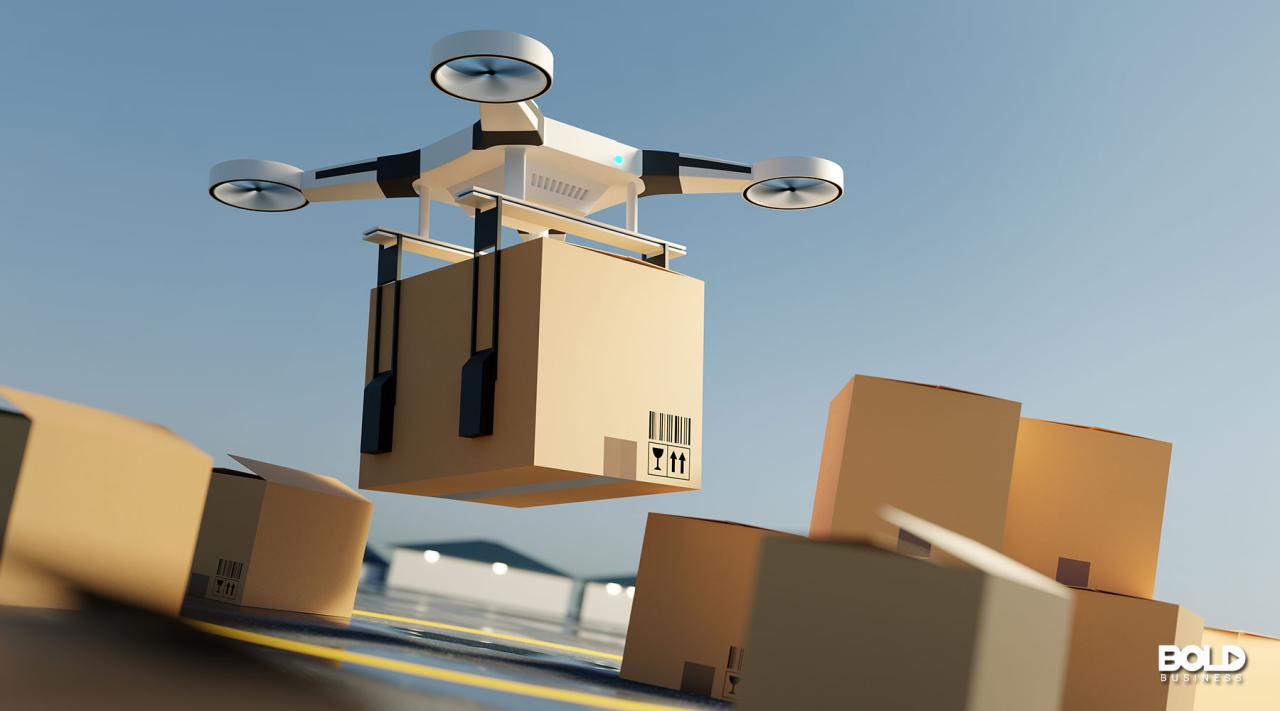


The logistics industry is undergoing a massive transformation with the introduction of drone technology. Drones, or unmanned aerial vehicles (UAVs), are now being used to deliver packages faster than ever before. Companies like Amazon, UPS, and Wing (a subsidiary of Alphabet) are investing heavily in drone delivery systems to enhance efficiency, reduce costs, and improve customer satisfaction. In this in-depth guide, we’ll explore how drones are changing the delivery landscape, their benefits, challenges, and the future of this cutting-edge technology.
Why Drone Delivery is the Future
Drone delivery offers several advantages over traditional methods:
-
Speed: Drones can bypass traffic and deliver packages in minutes instead of hours.
-
Cost-Efficiency: Reduces fuel and labor expenses associated with trucks and vans.
-
Eco-Friendly: Lower carbon emissions compared to conventional delivery vehicles.
-
Accessibility: Can reach remote or hard-to-access locations.
With e-commerce booming, drone deliveries are set to become a standard service in the near future.
A. How Drone Delivery Works
A. Order Placement & Processing
When a customer places an order, the system checks if drone delivery is available for their location. Eligible packages are prepared for UAV dispatch.
B. Automated Loading & Launch
Drones are loaded with packages at fulfillment centers or specialized drone hubs. Advanced automation ensures quick and secure loading.
C. Autonomous Flight Navigation
Using GPS, AI, and obstacle-avoidance sensors, drones follow pre-mapped routes to their destinations.
D. Safe Package Drop-Off
Upon arrival, drones either lower the package via a tether or land in designated drop zones. Some models use parachutes for fragile items.
E. Return to Base
After delivery, drones autonomously return to their charging stations for the next assignment.
B. Leading Companies in Drone Delivery
A. Amazon Prime Air
-
Status: Actively testing in select U.S. cities.
-
Goal: 30-minute deliveries for Prime members.
-
Technology: MK30 drone (quieter, longer range, all-weather capable).
B. UPS Flight Forward
-
Status: First FAA-approved drone airline in the U.S.
-
Use Case: Medical supply deliveries to hospitals.
-
Partnerships: CVS Pharmacy for prescription drops.
C. Wing (Alphabet/Google)
-
Status: Operational in Australia, Finland, and parts of the U.S.
-
Specialty: Food and retail item deliveries.
-
Speed: Can complete deliveries in under 10 minutes.
D. Zipline
-
Focus: Medical deliveries in Africa and rural areas.
-
Achievement: Over 500,000 life-saving deliveries completed.
C. Benefits of Drone Deliveries
A. Faster Last-Mile Delivery
Drones eliminate traffic delays, making same-day or even same-hour deliveries possible.
B. Reduced Operational Costs
Lower fuel, maintenance, and labor expenses compared to traditional delivery fleets.
C. Environmental Impact
Electric drones produce zero emissions, supporting sustainability goals.
D. Emergency & Medical Applications
Critical supplies like vaccines, blood, and emergency kits can be delivered swiftly in disasters.
E. Improved Customer Experience
Ultra-fast deliveries enhance satisfaction and brand loyalty.
D. Challenges & Limitations
A. Regulatory Restrictions
-
FAA and other aviation authorities impose strict rules on drone flights.
-
Limited to low-altitude, line-of-sight operations in many regions.
B. Weather Dependence
-
High winds, rain, and storms can disrupt drone operations.
C. Payload Limitations
-
Most commercial drones carry packages under 5 lbs (2.3 kg).
D. Privacy & Security Concerns
-
Potential for misuse (e.g., spying, smuggling).
-
Noise complaints in residential areas.
E. Battery Life & Range
-
Current battery tech limits flight distance to ~15 miles (24 km) per charge.
E. The Future of Drone Deliveries
A. Expansion to Urban Areas
-
More cities will adopt drone delivery as regulations evolve.
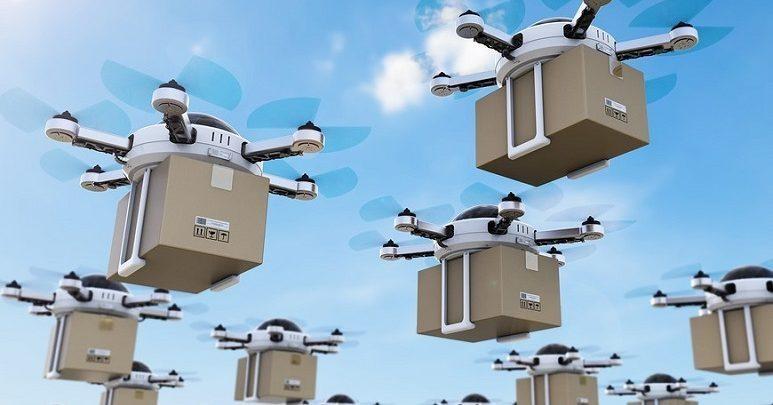
B. AI & Swarm Technology
-
AI-powered drones will optimize routes in real-time.
-
Swarm deliveries (multiple drones working together) will increase efficiency.
C. Hybrid Delivery Systems
-
Drones + autonomous ground vehicles for seamless logistics.
D. Global Adoption
-
Developing nations will leverage drones for healthcare and essential goods.
Conclusion
Drone delivery is no longer a sci-fi fantasy—it’s a reality reshaping logistics. While challenges remain, advancements in AI, battery tech, and regulations will accelerate adoption. Businesses and consumers alike stand to benefit from faster, cheaper, and greener deliveries.