

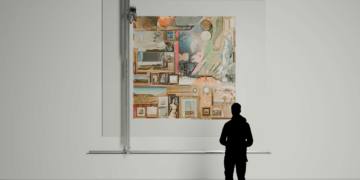





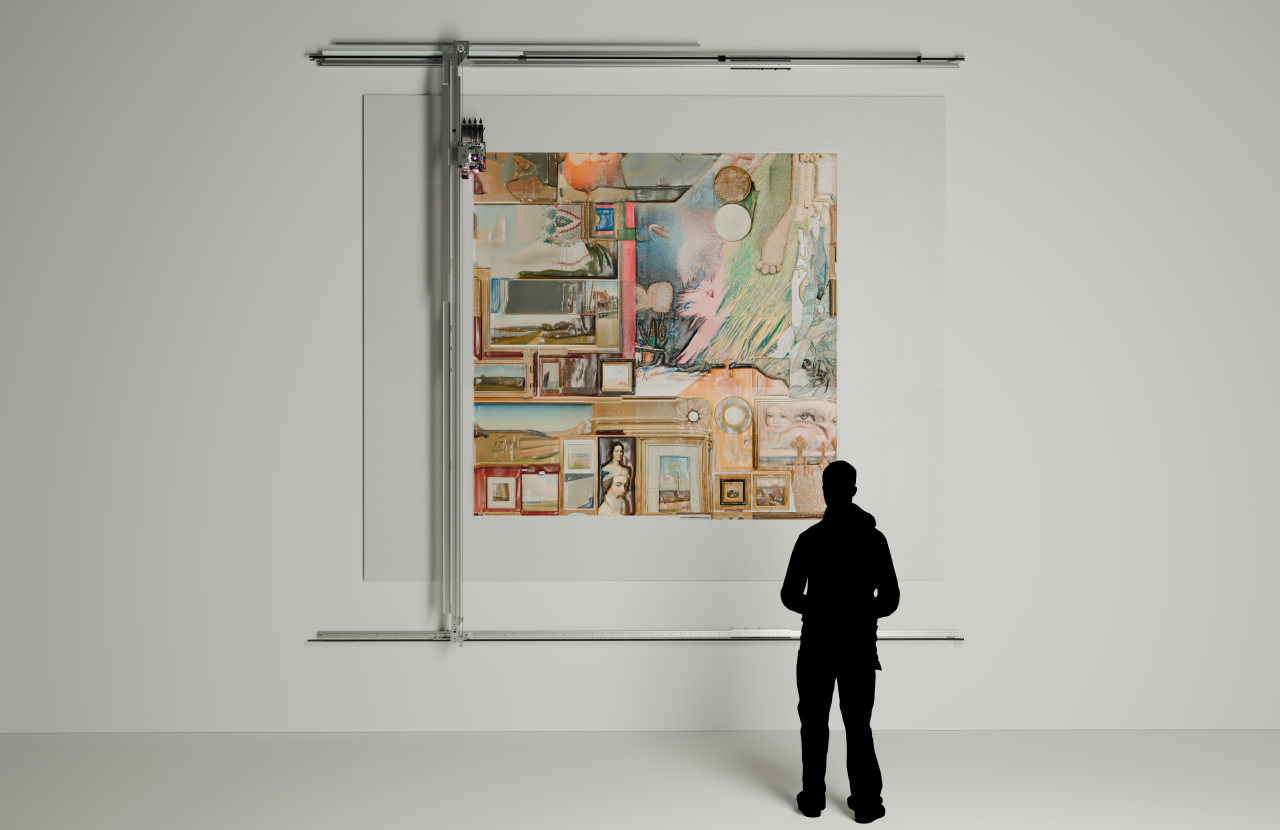


The art world is experiencing an unprecedented transformation as AI-generated artworks command multi-million dollar prices at prestigious auctions. Christie’s 2018 sale of “Portrait of Edmond de Belamy” for $432,500 marked just the beginning of this seismic shift. This comprehensive guide explores how artificial intelligence is redefining creativity, challenging traditional notions of authorship, and creating new opportunities in the multi-billion dollar art market.
The Rise of AI in Fine Art
Artificial intelligence has evolved from a technical novelty to a serious artistic medium:
-
2015: First AI art experiments using neural networks
-
2018: Christie’s historic AI art auction
-
2021: NFT boom propels digital AI art sales
-
2023: Major museums host dedicated AI art exhibitions
Today, collectors pay premium prices for works created by algorithms like:
-
Generative Adversarial Networks (GANs)
-
Stable Diffusion
-
MidJourney
-
DALL-E
A. How AI Creates Million-Dollar Art
A. The Creative Process Behind AI Art
-
Training Phase: Algorithms analyze thousands of artworks
-
Style Learning: AI masters techniques of famous artists
-
Generation Phase: Creates original compositions
-
Human Curation: Artists select and refine outputs
B. Signature AI Art Techniques
-
Neural Style Transfer: Merging multiple artistic styles
-
Latent Space Exploration: Navigating AI’s “imagination”
-
Prompt Engineering: Crafting text inputs for desired outputs
C. Hybrid Human-AI Collaborations
Many acclaimed works combine:
-
AI-generated foundations
-
Human artistic enhancements
-
Digital/physical mixed media
B. Record-Breaking AI Art Sales
A. Auction House Highlights
-
“Portrait of Edmond de Belamy” (2018): $432,500 at Christie’s
-
“Memories of Passersby I” (2019): $51,000 at Sotheby’s
-
“The First AI-Generated NFT” (2021): $6.9 million
B. NFT Market Explosion
-
Beeple’s “Everydays” collaboration with AI: $69 million
-
AI-generated CryptoPunks trading for 100+ ETH
C. Corporate Collections
-
Microsoft’s AI art acquisitions
-
Google’s DeepDream generator artworks
C. Controversies Shaking the Art World
A. Authorship Debates
-
Who owns AI art: programmer, user, or algorithm?
-
Copyright office rulings on AI-generated works
B. Authenticity Concerns
-
Detecting AI art vs human creations
-
Certification challenges for auction houses
C. Market Manipulation Risks
-
Wash trading in NFT AI art
-
Speculative bubbles in generative art
D. Ethical Considerations
-
Bias in training datasets
-
Compensation for referenced artists
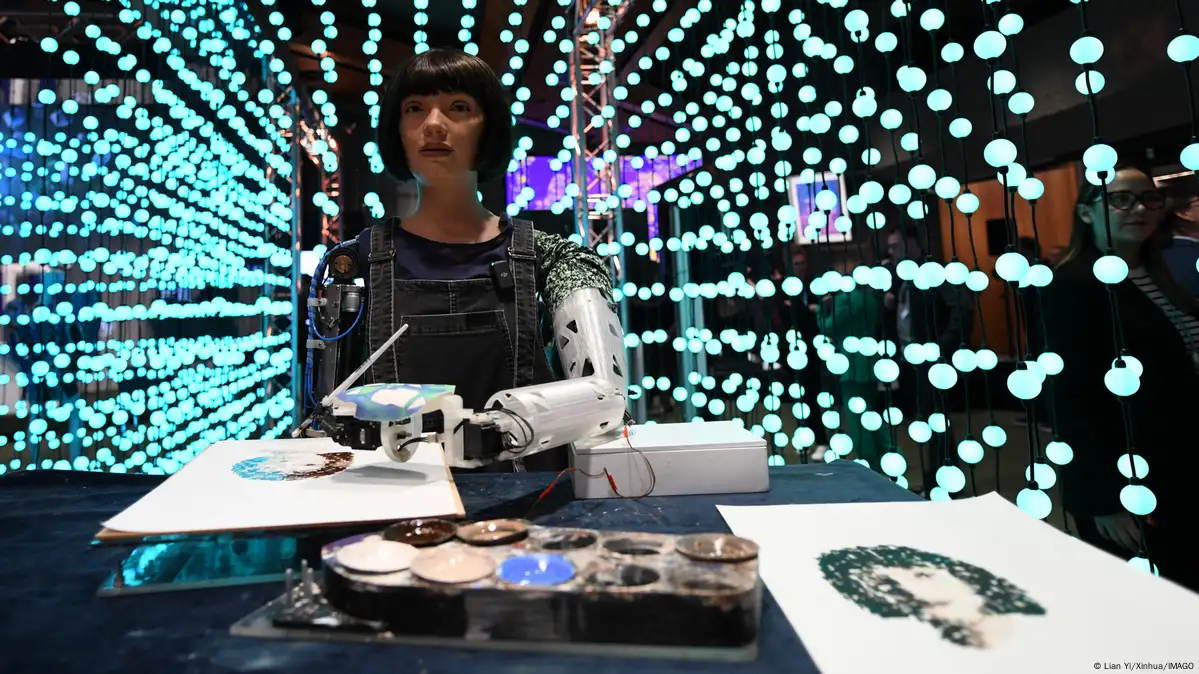
D. The Future of AI in Fine Art
A. Emerging Technologies
-
3D Generative AI: Sculptures and installations
-
Interactive AI Art: Viewer-responsive pieces
-
Blockchain Authentication: Permanent provenance records
B. Institutional Adoption
-
AI art conservation techniques
-
Museum acquisition policies evolving
-
University programs in computational creativity
C. Market Predictions
-
2025: First AI artist representation by major gallery
-
2030: AI art comprising 15% of contemporary market
-
Ongoing: Human-AI collaborative works dominating digital art
How to Invest in AI Art
A. Starting Your Collection
-
Research prominent AI artists and collectives
-
Attend specialized digital art fairs
-
Follow blockchain-based AI art platforms
B. Valuation Factors
-
Algorithm uniqueness
-
Artist/human involvement level
-
Historical significance in AI development
-
Exhibition and publication history
C. Preservation Strategies
-
Digital storage best practices
-
Physical print certifications
-
Smart contract-based ownership records
Conclusion
The AI art revolution represents both a disruption and expansion of creative possibilities. As algorithms become more sophisticated and the market matures, AI-generated artworks will likely become a permanent fixture in art history. Collectors, artists, and institutions must navigate this new landscape thoughtfully to harness its potential while addressing its challenges.