








Introduction
The metaverse is revolutionizing how we interact, work, and play in digital spaces. As this virtual universe evolves, it’s creating unprecedented opportunities for social connection beyond physical limitations. This comprehensive guide explores the metaverse’s impact on human interaction, its key technologies, potential applications, and what the future holds for this digital frontier.

A. Understanding the Metaverse Ecosystem
1. Defining the Metaverse
- A persistent 3D virtual world combining augmented reality (AR), virtual reality (VR), and the internet
- Enabled by blockchain, AI, and cloud computing technologies
2. Core Components
- Virtual Environments: Immersive digital spaces for various activities
- Digital Avatars: Customizable virtual representations of users
- NFT Economies: Ownership of digital assets through blockchain
- Social Hubs: Virtual gathering places for communities
3. Key Technologies Powering the Metaverse
- Extended Reality (XR): Blending AR, VR, and mixed reality
- Web3 Infrastructure: Decentralized platforms and digital ownership
- AI Integration: Smart NPCs and personalized experiences
- 5G Networks: Enabling seamless, low-latency interactions
B. The Social Revolution in Virtual Worlds
1. New Forms of Digital Communication
- Spatial audio for natural conversations
- Body language through advanced motion tracking
- Haptic feedback for physical sensations
2. Virtual Social Spaces
- Meta Horizon Worlds: VR hangout spaces
- Decentraland: Blockchain-powered social platform
- VR Chat: User-generated content communities
3. Enhanced Remote Collaboration
- Virtual offices with persistent workspaces
- Interactive whiteboards and 3D presentations
- Cross-border team meetings without travel
4. Reimagined Entertainment Experiences
- Virtual concerts with interactive elements
- Immersive gaming with social components
- Digital art galleries and cultural events
C. Business Opportunities in the Social Metaverse
1. Virtual Commerce
- Digital fashion for avatars
- Virtual real estate development
- NFT-based social experiences
2. Marketing and Brand Engagement
- Immersive product demonstrations
- Virtual pop-up stores and showrooms
- Interactive branded experiences
3. Education and Training
- Virtual classrooms with global access
- Hands-on training simulations
- Language exchange in immersive environments
D. Challenges and Considerations
1. Technical Limitations
- Hardware requirements for full immersion
- Latency and connectivity issues
- Interoperability between platforms
2. Social and Psychological Impacts
- Digital identity and self-representation
- Potential for addiction and escapism
- Maintaining authentic human connection
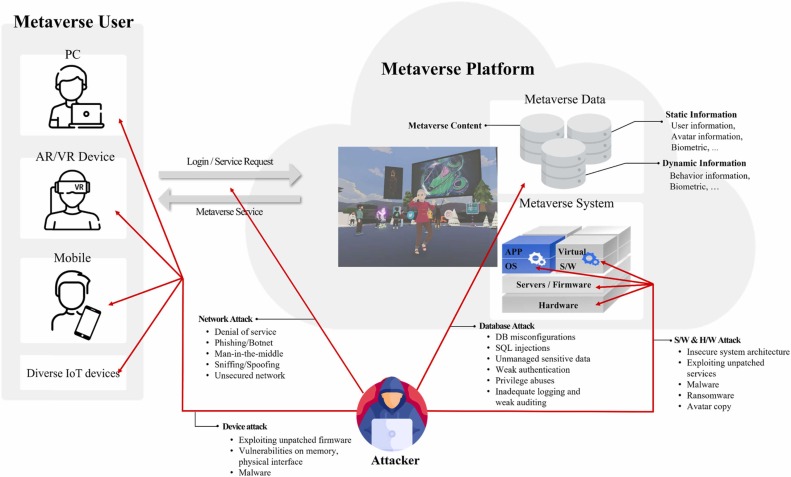
3. Privacy and Security Concerns
- Data collection in virtual spaces
- Identity verification challenges
- Protection of digital assets
4. Accessibility and Inclusion
- Cost barriers to entry
- Designing for diverse abilities
- Preventing digital discrimination

E. The Future of Social Interaction in the Metaverse
1. Emerging Trends
- Photorealistic avatars with emotional AI
- Multi-sensory experiences (smell, taste)
- Decentralized social networks
2. Potential Long-term Developments
- Neural interfaces for direct brain connection
- Full digital twin societies
- Blended physical-digital lifestyles
3. Preparing for the Metaverse Future
- Developing digital literacy skills
- Understanding virtual economies
- Navigating digital identity management
Conclusion
The metaverse represents a fundamental shift in how humans connect, offering both exciting possibilities and complex challenges. As this technology matures, it will continue to redefine social norms, create new economic opportunities, and transform our concept of community. While questions remain about its ultimate impact, one thing is certain: the metaverse is becoming an increasingly important dimension of human interaction that demands our attention and thoughtful engagement.
Tags: metaverse, virtual reality, social media, digital interaction, VR technology, online communities, future of communication, virtual worlds, Web3, digital transformation
Category: Technology & Digital Innovation