









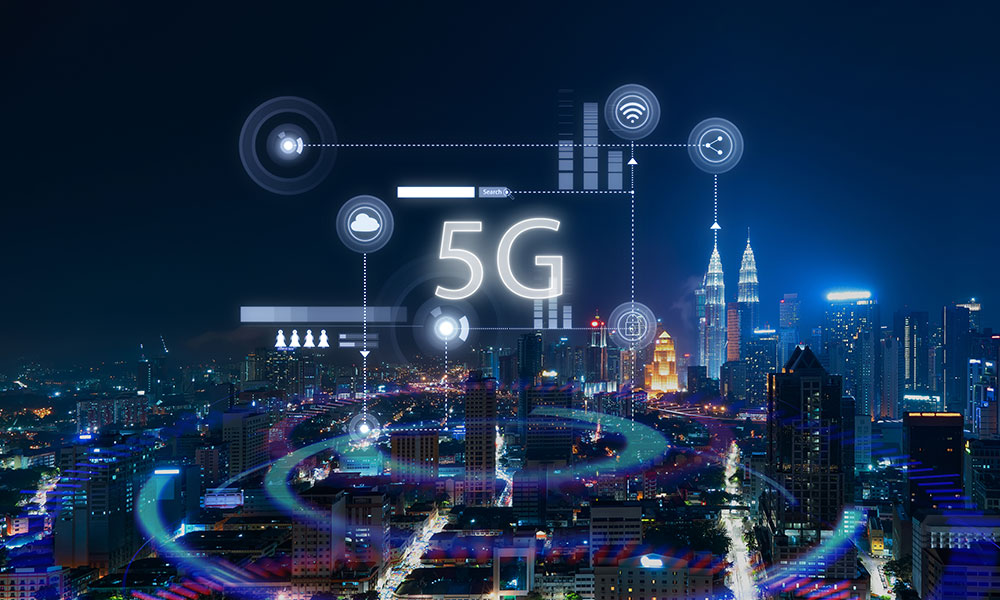
The global rollout of 5G networks marks a significant leap in wireless technology, promising faster speeds, lower latency, and transformative applications across industries. As adoption grows, new developments continue to shape the 5G landscape. This comprehensive guide explores what’s next for 5G technology, examining key innovations, challenges, and future possibilities that will redefine connectivity.


A. The Current State of 5G Adoption
1. Global Deployment Progress
-
A. Leading Countries: South Korea, China, and the U.S. dominate rollout
-
B. Coverage Expansion: Urban vs. rural implementation challenges
-
B. Consumer Adoption Rates: Growing smartphone compatibility
2. Technical Milestones Achieved
-
A. Speed Benchmarks: Peak vs. real-world performance
-
B. Latency Improvements: From 4G’s 50ms to 5G’s <10ms
-
C. Network Slicing: Customizable connections for different needs
3. Early Use Cases Demonstrating Value
-
A. Enhanced Mobile Broadband (eMBB): 4K streaming, AR/VR applications
-
B. Fixed Wireless Access (FWA): Home broadband alternatives
-
C. Industrial IoT: Smart factories and automation
B. Next-Generation 5G Innovations
1. Advanced Network Technologies
-
A. Standalone (SA) 5G: Complete 5G infrastructure rollout
-
B. mmWave Expansion: Overcoming propagation challenges
-
C. AI-Optimized Networks: Self-healing and self-configuring systems
2. Emerging Frequency Bands
-
A. Sub-6 GHz: Balanced coverage and capacity
-
B. 6 GHz Spectrum: New mid-band opportunities
-
C. Terahertz Exploration: Future 6G foundations
3. Edge Computing Integration
-
A. Distributed Cloud Architectures
-
B. Ultra-Low Latency Applications
-
C. Content Delivery Network (CDN) Evolution

C. Transformative Industry Applications
1. Healthcare Revolution
-
A. Remote Surgery: Real-time robotic operations
-
B. Wearable Monitoring: Continuous patient data streams
-
C. AR-Assisted Diagnostics: Enhanced medical imaging
2. Smart Cities Infrastructure
-
A. Traffic Management Systems: Real-time congestion analysis
-
B. Utility Monitoring: Smart grids and water systems
-
C. Public Safety Networks: Emergency response coordination
3. Automotive and Transportation
-
A. Vehicle-to-Everything (V2X) Communication
-
B. Autonomous Fleet Management
-
C. In-Car Entertainment Systems
4. Industrial Metaverse
-
A. Digital Twin Technology
-
B. Remote Equipment Control
-
C. Collaborative VR Workspaces
D. Challenges and Barriers to Overcome
1. Infrastructure Requirements
-
A. Small Cell Deployment Challenges
-
B. Fiber Backhaul Demands
-
C. Power Consumption Concerns
2. Security Considerations
-
A. Expanded Attack Surface Risks
-
B. Network Slicing Vulnerabilities
-
C. IoT Device Protection
3. Economic and Regulatory Factors
-
A. Spectrum Allocation Costs
-
B. Roaming Agreement Complexities
-
C. Cross-Border Data Flow Regulations

E. The Road to 6G: Future Prospects
1. 5G-Advanced (Release 18 Features)
-
A. AI/ML Native Air Interface
-
B. Improved Energy Efficiency
-
C. Enhanced Positioning Accuracy
2. Convergence with Emerging Technologies
-
A. Quantum Networking Integration
-
B. Satellite-terrestrial Hybrid Networks
-
C. Holographic Communications
3. Societal Impacts and Opportunities
-
A. Digital Inclusion Initiatives
-
B. New Economic Models
-
C. Environmental Monitoring Applications
Conclusion: Preparing for the 5G Future
The 5G revolution continues to unfold with remarkable potential across every sector of society. While technical and regulatory challenges remain, the ongoing evolution promises to unlock unprecedented connectivity capabilities. Businesses, governments, and consumers must stay informed about these developments to fully capitalize on 5G’s transformative power as we gradually transition toward 6G technologies.
Tags: 5G technology, wireless networks, IoT connectivity, smart cities, mobile broadband, edge computing, network infrastructure, telecom innovation, future tech, digital transformation